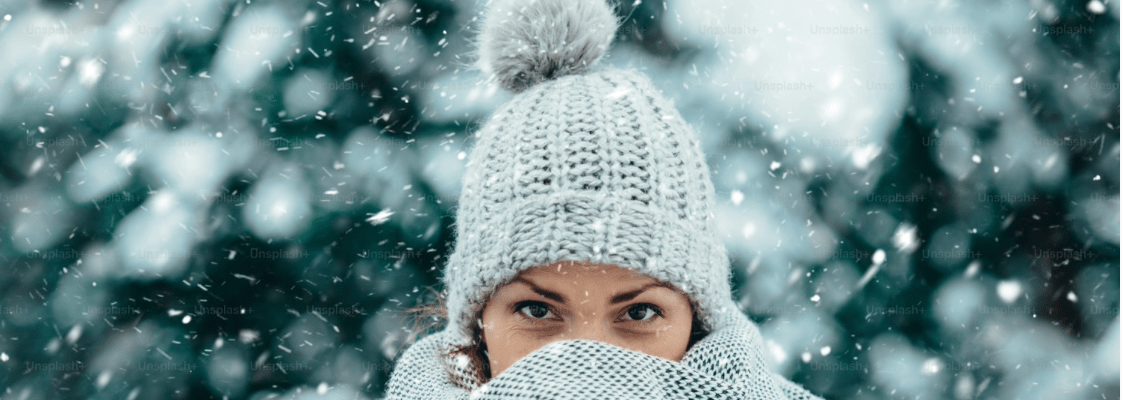
OK, so it’s cold.
Maybe not where you are, but I’m in New England. It’s cold here. Not Antartica cold, but cold enough. And way too cold for this boy, who spent 35 years in L.A. mainly because I’m a fan of 75 degrees and sunny, year round. And I’m in a business where it behooves you to stay healthy. So how to do that, in the face of low temps, grey skies and snow?
Well. I’m glad you asked.
Here are some tips for staying hale & healthy amidst the winter chill. In no particular order order;
- 1.Skin Health. This one is the most obvious. Chapped lips and dry, itchy skin is almost a given when exposed to cold temps & dry air.
Symptoms; Dry, itchy or flaky skin, cracked skin on your hands or lips or redness and general irritation. Flare-ups of existing conditions like eczema or psoriasis are also common.
Prevention; Use a humidifier in your home to add moisture back into the air. Also, take lukewarm, not hot, showers to avoid stripping natural oils from your skin, and gently pat your skin dry with a towel instead of rubbing.
Tips: Apply a thick, fragrance-free moisturizer immediately after bathing.
Switch to a gentle, hydrating cleanser for your face and body.
Protect your lips with a quality balm that contains SPF.
- 2. Your Brain and Cognition. Your body can actually shift energy and blood flow to preserve warmth in your extremities at the expense of your cognitive function.
Symptoms: Feeling mentally slow or experiencing “brain fog”. Difficulty concentrating or making decisions and slightly slower reaction times.
Prevention: Stay warm.(duh) Dressing in layers helps your body conserve energy for all its functions, including thinking. Also, get adequate, quality sleep to help your brain rest and recharge.
Stay hydrated. Even mild dehydration can impact cognitive performance.
Tips: Take short, active breaks throughout the day to boost circulation and alertness.
Engage your brain with activities like puzzles, reading, listening to music or learning something new.
When to see a doctor: If you experience cognitive changes that are severe, sudden or interfere with your daily life, as this could signal other underlying issues.
- 3.Seasonal Mood Changes . Shorter days and less sunlight can disrupt our internal clocks and affect our mood.
Symptoms: Lower energy levels and increased fatigue. Feelings of sadness, apathy or irritability.
Also, changes in appetite or sleep patterns, especially oversleeping. Also, loss of interest in activities you usually enjoy can be a sign of Seasonal Affective Disorder (SAD)
Prevention: Get natural sunlight exposure whenever possible, especially in the morning. Maintain a consistent daily routine, including regular sleep and wake times.And prioritize getting enough quality sleep each night. Stay socially connected with friends, family and familiar comforting activities.
Tips: Incorporate regular physical activity into your day, (like I wasn’t going to fit this in somewhere.)
Also, yoga, meditation or other stress-reduction techniques can help keep away a negative mindset.
- 4. Heart Health; Cold weather can cause blood vessels to constrict, which can increase blood pressure and make your heart work harder to pump blood throughout your body.
Symptoms: Chest pain or pressure, especially during physical exertion in the cold. Noticeable increases in your regular blood pressure readings. Shortness of breath is also a symptom, as well as discomfort in your arms, back, neck, jaw, or stomach.
Prevention; Monitor your blood pressure regularly, as cold weather can cause it to rise.
Avoid sudden, strenuous outdoor activities, like shoveling heavy snow, or winter running races, if you aren’t accustomed to them or trained up. And warm up properly before these activities. In addition, dress in warm layers to prevent your body from working too hard to maintain its core temperature.
Tips: Pace yourself during winter chores and take frequent breaks. Also, move your workouts indoors on extremely cold, windy or snowy days.
When to see a doctor: Seek care immediately for any potential symptoms of a heart attack, such as chest pain or severe shortness of breath.
- 5. Respiratory Health; Cold, dry air can be irritating to your respiratory system, making you more susceptible to coughing, wheezing and infections.
Symptoms: Coughing, wheezing or feeling short of breath when you inhale cold air. Also, an increased frequency of asthma attacks. A higher susceptibility to respiratory viruses like the common cold, flu or RSV are common.
Prevention: Breathe through your nose when outdoors to warm and humidify air before it reaches your lungs. Wrap a scarf over your nose and mouth when it’s particularly cold. And stay up-to-date on recommended vaccines. ( or don’t, if you’re part of the “anti-vax” crowd. Your choice).
Tips: Use a humidifier to add moisture to your indoor environment. And if you have asthma, always keep your rescue inhaler with you.
When to see a doctor: If you develop a persistent cough or have ongoing difficulty breathing, or if your asthma symptoms become persistent or severe.
- 6. Cold-Weather Aches and Pains; Many people feel that their joints and muscles become stiffer and achier in the cold. This can be related to barometric pressure changes, reduced blood flow or being less active.
Symptoms: Stiff, achy joints, (again, duh…), especially in the morning. Also increased pain from conditions like arthritis. Cold, numb, or tingling fingers and toes from poor circulation.
Prevention: Keep up with your fitness regime, even if you have to modify them because of the weather. ( ie treadmill instead of outdoor running) and indoor activities like stretching or yoga to maintain flexibility. Wear warm gloves, thick socks and proper footwear, and stay well-hydrated to support healthy muscle and joint function.
Tips: Use a heating pad or take a warm bath to soothe stiff joints and muscles. Perform gentle stretches before heading outside into the cold and wiggle your fingers and toes frequently to promote blood flow. Who cares what the person sitting nest to you on the subway thinks..
OK, that’ll do it for now. Stay active, stay healthy and stay safe during these cold winter months. Personally, I’m going to spend my winter break in L.A. That’s my idea of preventive measures.
Talk Later,
Bob
 practicallywell.net